
In the hustle and bustle of daily life, it’s easy to overlook something as important as the security of our house keys. Yet, these small pieces of metal that we use every day are the gatekeepers to our homes, our loved ones, and our possessions.
In our latest blog post, we discuss how home security starts with house key security. This isn’t just about avoiding the inconvenience of being locked out; it’s about preventing a far more serious scenario: unauthorised entry into your home. In this comprehensive guide, we’ll delve into the best practices for keeping your house keys safe, offering practical advice and insights to give you peace of mind.
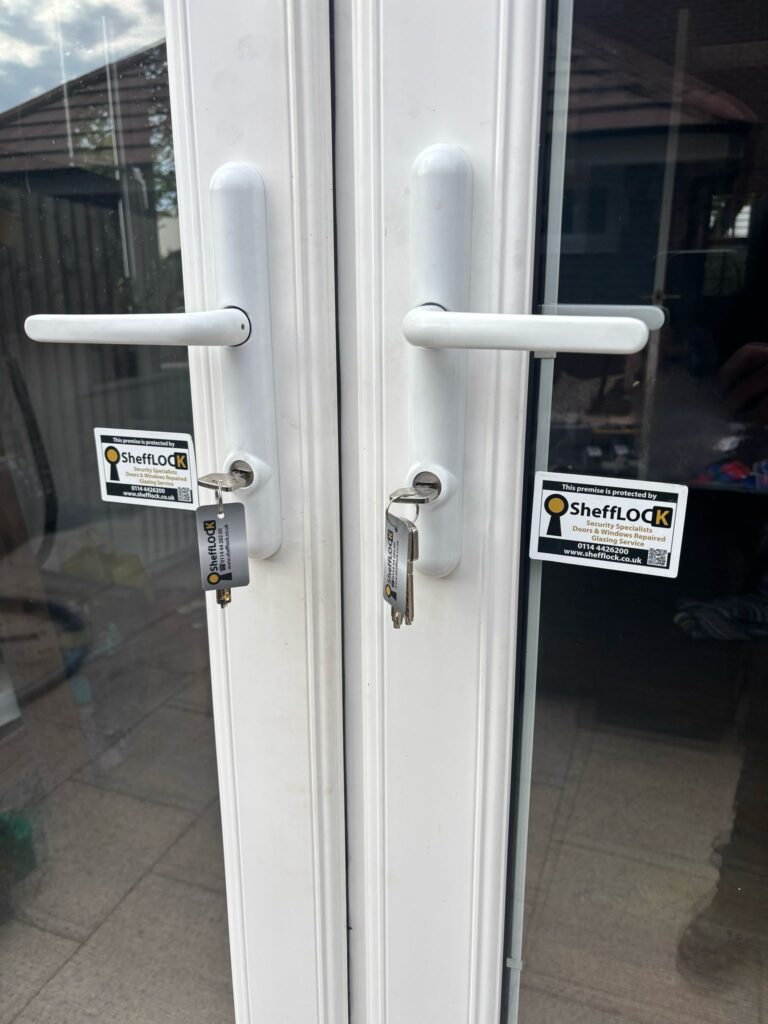
House Key Pitfalls
There are times in our busy lives when we sometimes just forget things, house keys can be one of those, especially if you’re trying to get the kids in the car to school or you are running late for work.
- The Opportunistic Thief: A lost or stolen key is a golden ticket for a burglar. If they know your address (perhaps from something in your wallet or purse that was stolen alongside your keys), your home becomes an easy target.
- “Key Fishing”: This increasingly common tactic involves thieves using tools to retrieve keys left near doors or windows (e.g., on a hook inside the letterbox).
- Borrowed Keys: Lending keys, even to trusted individuals, can introduce security risks if those keys are then lost, stolen, or copied without your knowledge.
- Social Media Sharing: Unwittingly sharing photos of your new house or even your keyring on social media can provide clues to your key design or even a visual of your key fob, making it easier for tech-savvy criminals to replicate.
- Discarded Packaging: Leaving packaging for new locks or security systems in plain sight with your address can signal to criminals that you have new, potentially valuable security features they might want to bypass.

Keeping Your House Keys Safe
Now, let’s explore the actionable steps you can take to safeguard your keys and, by extension, your home:
1. Always Know Where Your Keys Are
This might sound obvious, but it’s the most crucial step. Develop habits that ensure you always know the location of your keys:
- Designated Spot: Have a specific, secure place for your keys when you enter your home – a hook high up, a drawer, or a key box. Avoid leaving them on a hallway table where they might be visible or easily “fished.”
- Out of Sight, Out of Mind (for Thieves): When you’re out, keep your keys in a secure pocket or compartment in your bag. Avoid leaving them in open bags or on cafe tables.
- Don’t Leave Them in the Door: Never leave your keys in the lock on the inside of the door, even for a moment. This is a prime target for “key fishing” or simply turning the key from the outside if a window is open.
2. Be Mindful When Out and About
Your awareness outside the home is just as important as inside:
- Avoid Key Rings with Personal Information: Don’t attach key fobs or tags that display your name, address, or vehicle registration number. If your keys are lost, this information can lead a thief directly to your door.
- Separate Your Keys from Your Wallet/Purse: If your wallet or purse is stolen, you don’t want your house keys to be lost along with your identification and address. Keep them in separate places.
- Be Discreet with Your Keys: When you’re out, especially in public places, avoid jingling your keys or making them easily visible.
3. The Power of High-Security Locks (and Their Keys)
At SheffLOCK, we are passionate about the benefits of high-security locks and keys, and only use Ultion products.
- Anti-Snap, Anti-Drill, Anti-Pick Cylinders: These locks, like the Ultion lock, are designed to withstand common burglar attack methods such as blowtorch or lock snapping. Their keys are often unique and much harder to duplicate illegally.
- Key Control Systems: Many high-security locks come with key control cards, meaning new keys can only be cut by authorised dealers upon presentation of this card and proof of ownership. This significantly reduces the risk of unauthorised duplication.
- Consider a Key Safe: For trusted visitors, cleaners, or emergencies, a key safe (securely installed and hidden) can be a much safer option than leaving a spare key under a doormat or plant pot. Ensure it’s a high-quality, police-approved key safe like the ones used here at SheffLOCK.

4. Managing Spare Keys Wisely
Spare keys are often the weak link in home security:
- Limit the Number: Only have as many spare keys as absolutely necessary. Every extra key increases the risk.
- Trusted Individuals Only: If you must leave a spare key with someone, choose a highly trusted friend or family member who lives nearby, and ensure they understand the importance of keeping it secure.
- Never “Hide” Keys Outside: The classic “under the doormat” or “in a fake rock” hiding spots are well-known to burglars and offer no security whatsoever.
- When Moving House: Always change your locks when you move into a new property. You have no idea who might have copies of the old keys.
5. What to Do if Your Keys Go Missing
Act swiftly and decisively if your keys are lost or stolen:
- Retrace Your Steps: Immediately try to recall your last movements.
- Report to the Police: If you believe your keys were stolen, report it to the police, especially if there was any identifying information with them.
- Change Your Locks: This is the most crucial step. Even if you’re not sure if your address was compromised, it’s always better to be safe than sorry. At SheffLOCK, we can provide rapid, professional lock changes, often to high-security Ultion cylinders, ensuring your peace of mind.
- Inform Your Insurance Company: Your home insurance policy may require you to inform them of lost or stolen keys.
The SheffLOCK Difference: Beyond Just Locks
At SheffLOCK, we don’t just sell and install high-quality locks; we provide a holistic approach to home security. We offer expert locksmith and home security advice, professional installation, and emergency services to ensure your home is as secure as possible.
We believe that education is a powerful tool in preventing burglaries. By understanding the risks and implementing these simple yet effective house key safety strategies, you significantly reduce your vulnerability.
Your keys are the first line of defence for your home. Treat them with the respect and security they deserve.
For expert advice on securing your property, upgrading your locks, or emergency lock services, don’t hesitate to contact the friendly and professional team at SheffLOCK today. We’re here to help you keep your home and family safe.
SheffLOCK: Sheffield Locksmiths – Securing Your Home, Safeguarding Your Peace of Mind.
